300+
PRISCUS SUMMITS
1000+
GROUPS TO SUMMIT BY OUR FAMILY
90%+
SUMMIT RATES
50+
YEARS FAMILY ON MOUNTAIN
Who we are

Reach The Top Of Africa with a family born on the mountain

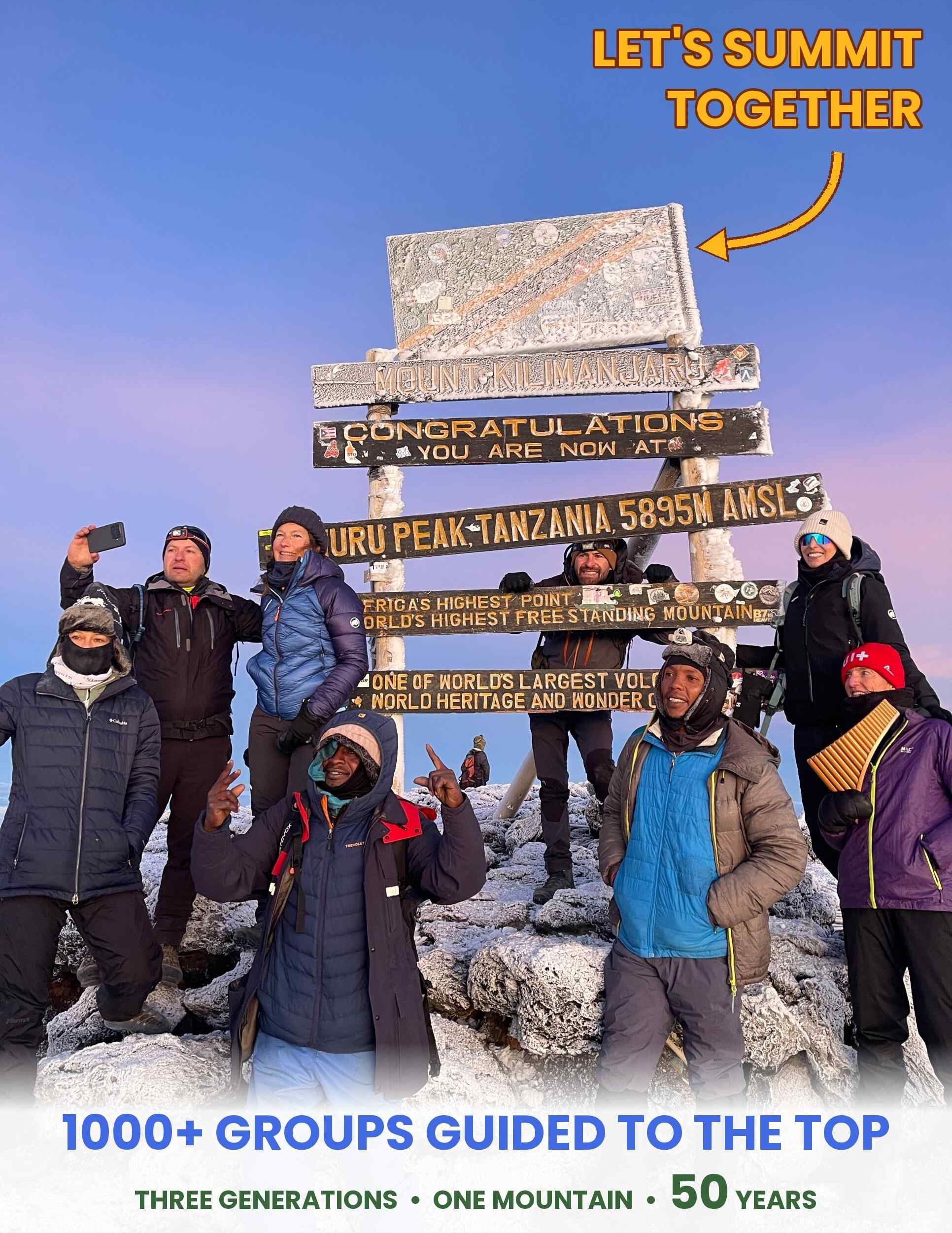
Three generations. One family. Over 1,000 successful summits led to the top of Africa's highest peak.

Since the 1970s, the Ngatambaku Mtui family has guided climbers up Kilimanjaro — starting with our grandfather, Dominic Mtui, continued by our father, Peter Mtui, and now led by Priscus, who has personally guided over 300 successful summits. Guiding isn't our business. It's our heritage.

1970s Grandfather begins guiding — among the first generation of local Tanzanian mountain professionals on Kilimanjaro.

1983 – 2019 Father Peter Dominic Mtui guides for over 30 years Summiting more than 600 Times, passing down knowledge, ethics, and love of the mountain.

Age 14 Priscus The owner and current Main guide at Perfect kilimanjaro first summit of Kilimanjaro. The beginning of a life defined by this mountain.

2005 - 2012, 7 Years as Porter Learning the mountain from the ground up — understanding every trail at every level before leading others. Started as Porter then Tent man and Waiter final assistant Guide with his father and now the lead Guide

2012 – Today Certified lead guide. 300+ personal summits. Our Family Our Mountain 1,000+ groups. 90%+ success rate. Still climbing.

Plan Your Adventure Today
Who we are
Why choose us

Why Perfect Kilimanjaro

What actually sets a family-run, in-house operator apart from a booking platform reselling someone else's itinerary.

Three Generations of Kilimanjaro Guides

Three Generations of Kilimanjaro Guides

Local guides have been at the heart of Kilimanjaro since Hans Meyer's first ascent in 1889, and our family has guided here since the 1970s. Priscus, our owner and guide, first climbed at 14, worked as a porter for seven years, and has now summited more than 350 times.

Safety First, Every Day

Safety First, Every Day

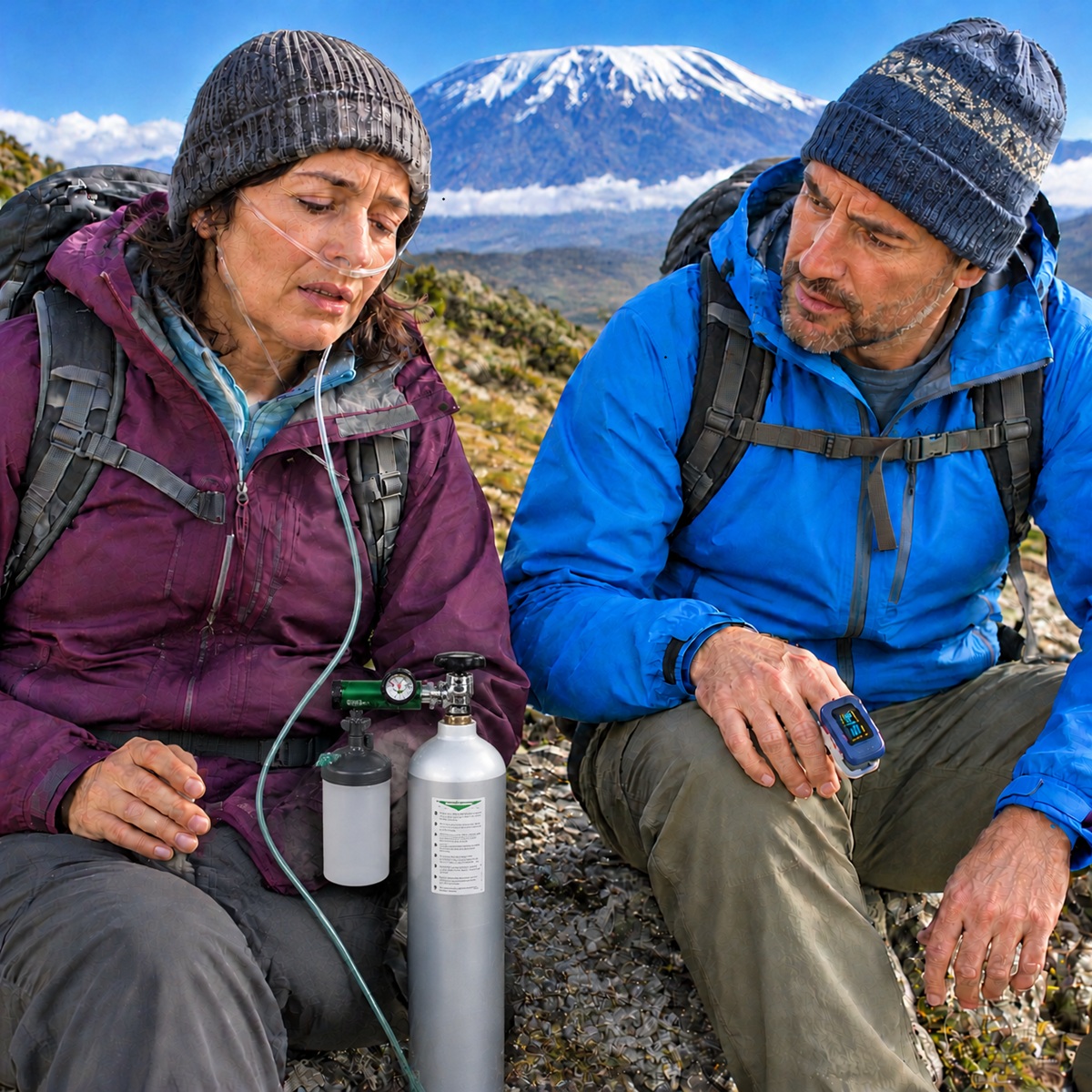
Every guide is Wilderness First Responder (WFR) certified. We check your health every morning and evening with the Lake Louise Score and oxygen saturation readings. We carry emergency oxygen on every climb, and helicopter rescue is available with your travel insurance.

100% Locally Owned

100% Locally Owned

There is no income outflow. Everything is run in Tanzania, with Tanzanian guides, so your money supports local jobs, families, and communities.

Pioneers of Biking Adventures in Tanzania

Pioneers of Biking Adventures in Tanzania

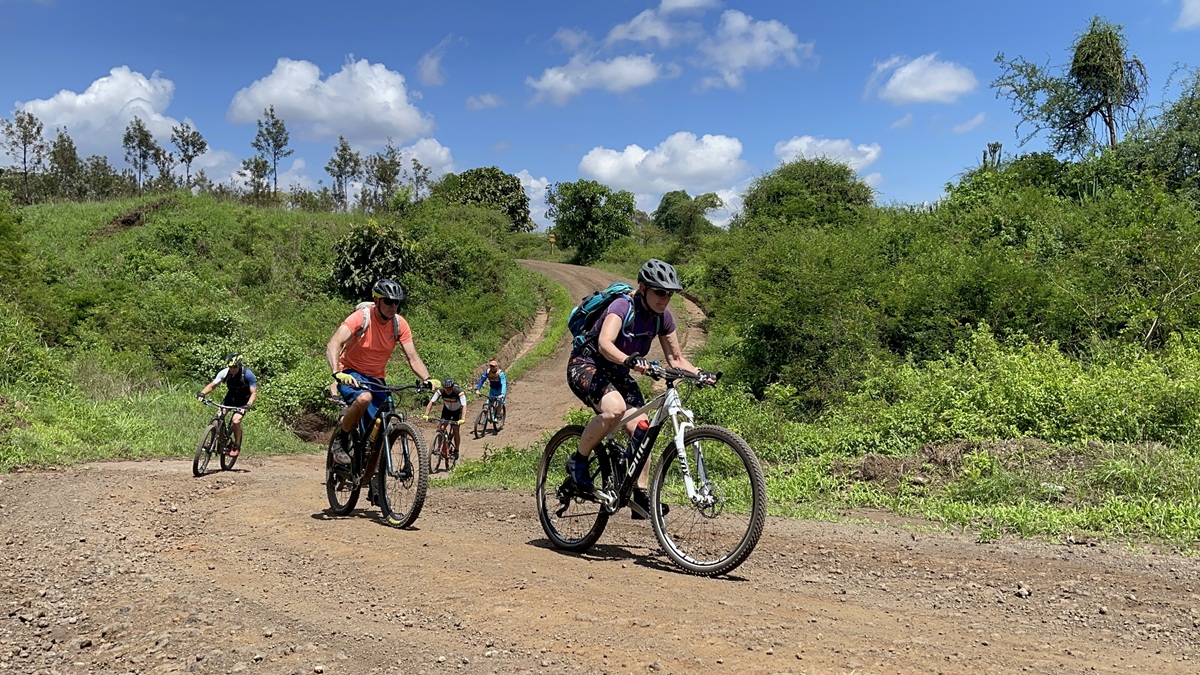
We were the first to introduce Kilimanjaro biking expeditions in the early 2000s, from scenic rides around the mountain to cycling all the way to the summit.

What we run

Four Activities. One local team.

No third party brokers every itinerary below is planned and led by our own Tanzanian guides and crews.

Kilimanjaro routes

Pick your path up the mountain

Six ways up Africa's highest peak — trace each one's camps, gates and the way back down. We guide all the routes in Kilimanjaro including Biking to the top of Kilimanjaro.

Ascent Descent

Elevations and camp order are approximate — your booked itinerary is the one that governs.

PDF

Kilimanjaro equipment list

Everything you need to pack for the mountain — layer by layer, from rainforest trailhead to summit night at −15°C.

Download checklist
Trips & pricing

Pick your adventure

All prices are per person, land cost only — park fees, guides, camps and meals on the trip included.

Explore more
Field notes

What travelers say

JM
★★★★★
Julia M. · Jul 2026

Best safari of our lives

Our guide rerouted us around a migration crossing three days before we arrived — something no brochure could have known. Best safari of our...

DK
★★★★★
Daniel K. · Jun 2026

Honest, well-paced Lemosho climb

Summited via Lemosho with a crew that clearly knew what they were doing. Honest about pacing, never rushed us, and the food on the mountain...

AR
★★★★★
Amara R. · May 2026

Stone Town to the beach, no stress

Stone Town, spice farms, then three days doing nothing on a beach that looked unreal in every photo. Booking on WhatsApp was refreshingly si...

Read More Reviews
On the mountain

Four moments that define the climb

The things climbers remember most, from the gate to Uhuru Peak.

Five climate zones
Kilimanjaro
Day one to five

Five climate zones

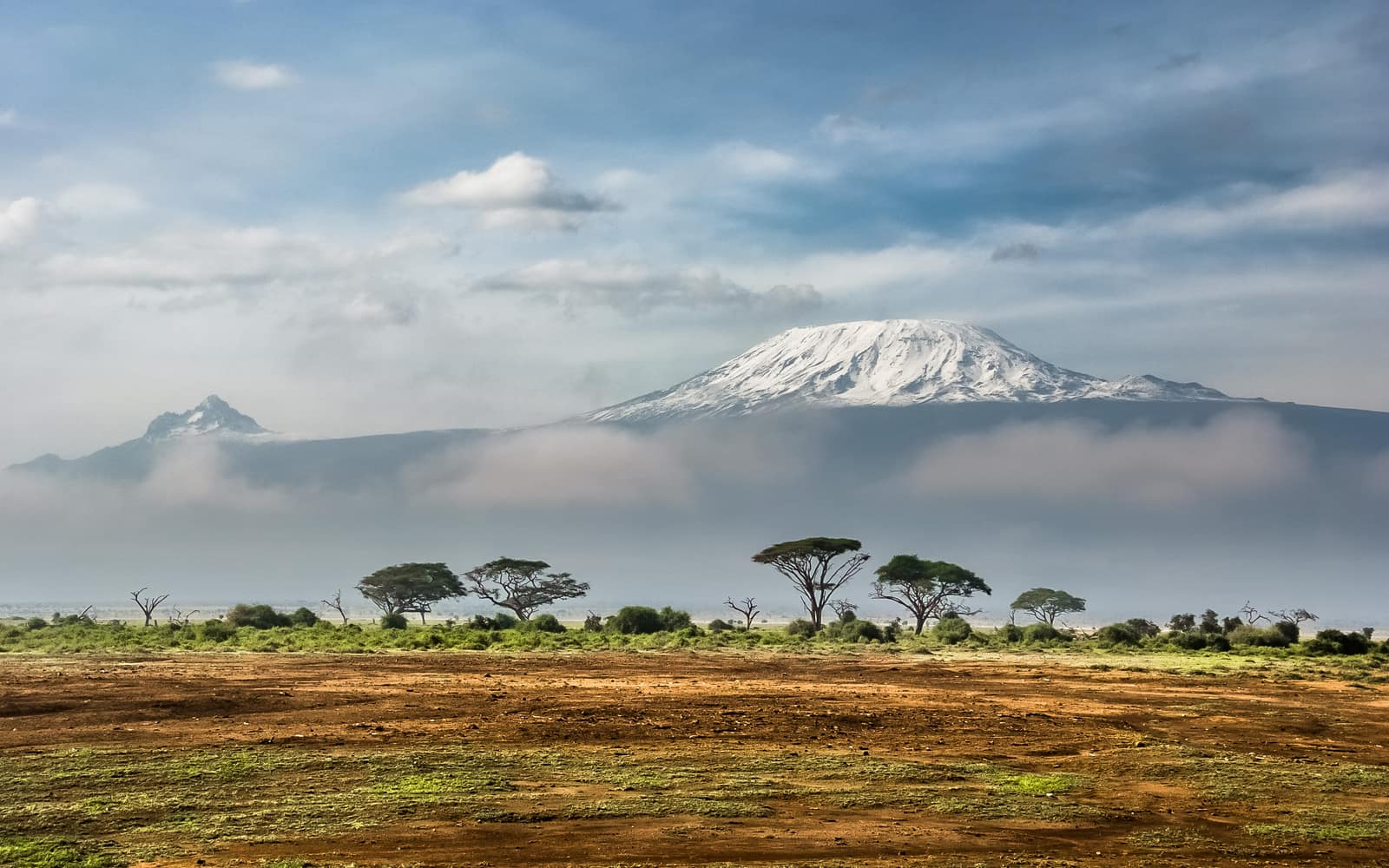
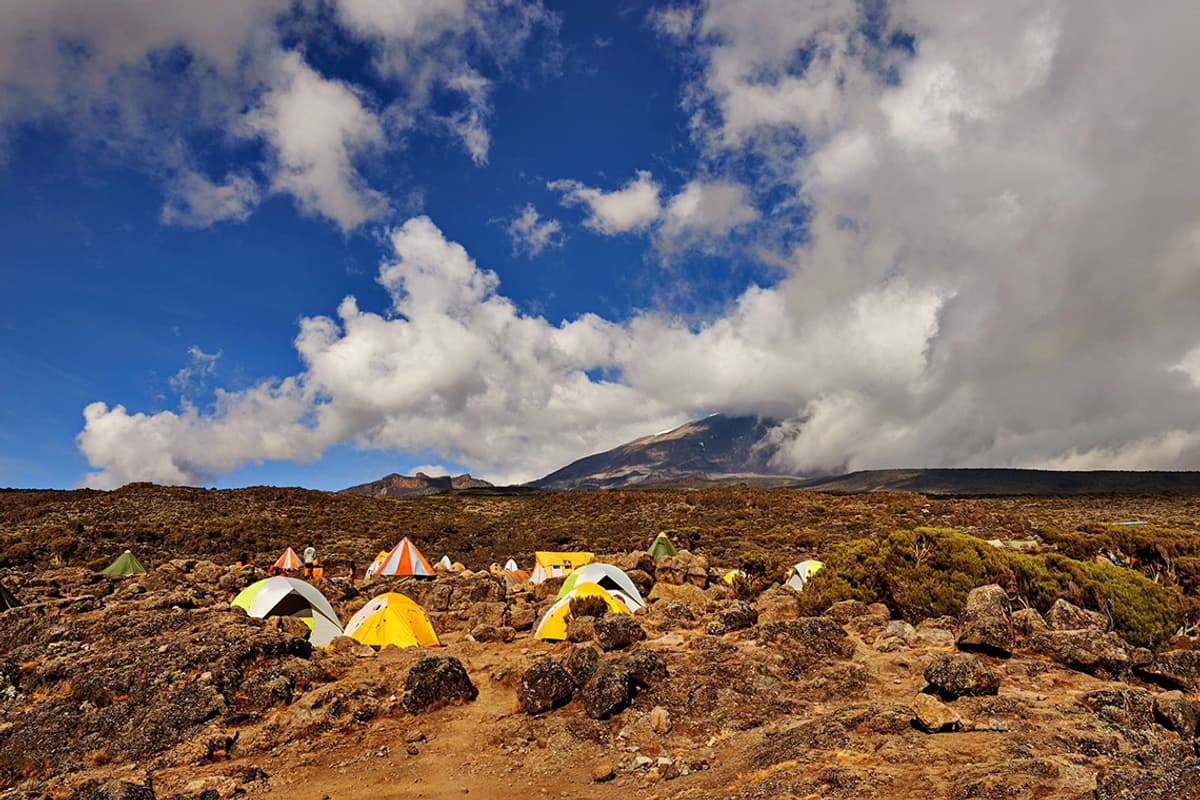
From rainforest at the gate through moorland and alpine desert to the arctic summit zone — each day on the mountain looks like a different country.

Hands-on-rock terrain
Barranco Wall
The scramble

Hands-on-rock terrain

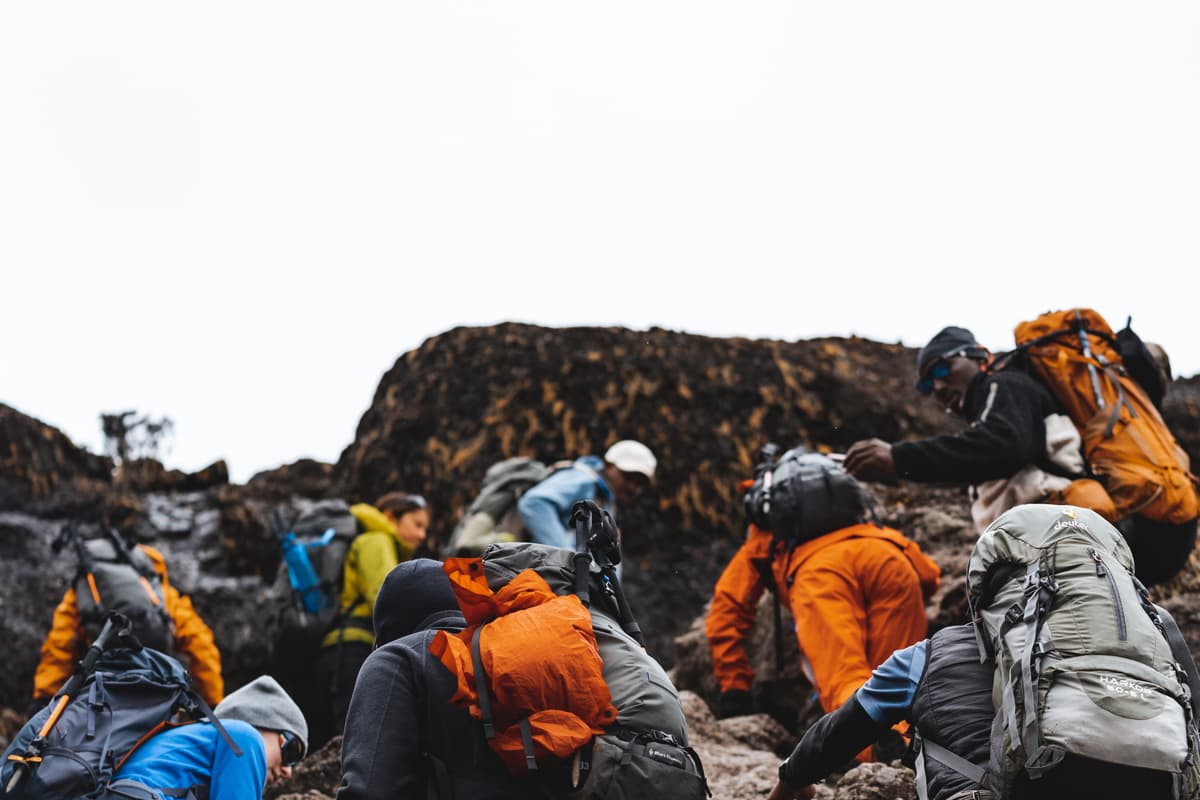
A short, exposed scramble up the Barranco Wall — the most talked-about hour on the mountain, and one every guide has climbed hundreds of times.

Camp life on the mountain
Camp life
Every evening

Camp life on the mountain

Hot meals cooked by your own crew, tents pitched before you arrive, and card games under more stars than you've ever seen.

The summit push
Uhuru Peak
Midnight ascent

The summit push

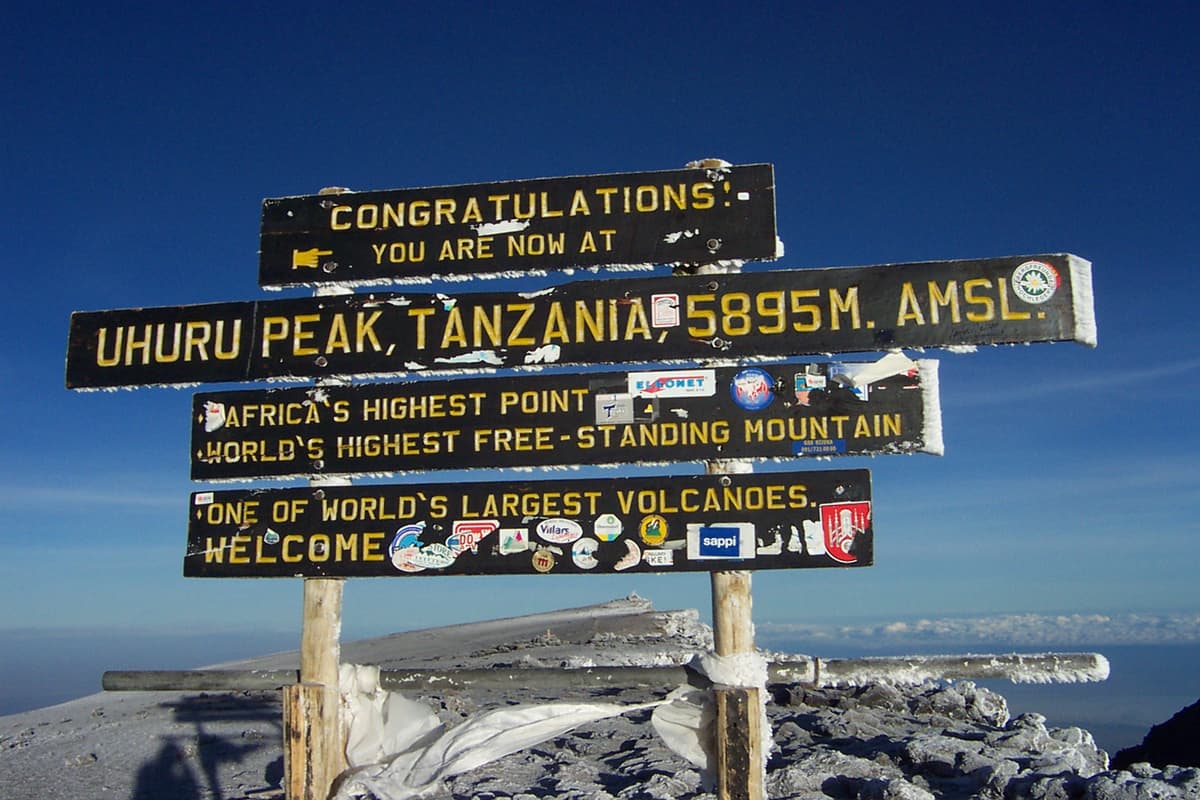
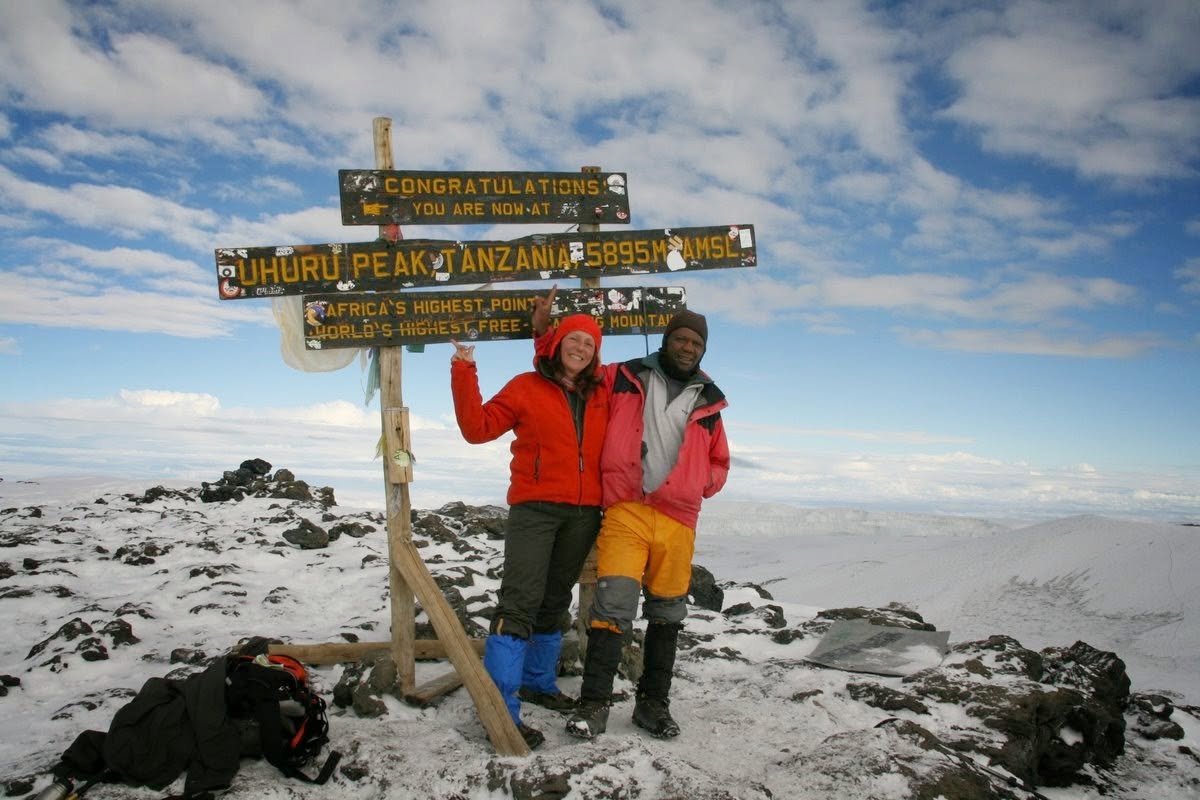
A midnight climb through the dark to reach Uhuru Peak for sunrise — the single moment every route on the mountain is built around.

About us

Run by the people on the ground

Perfect Kilimanjaro is a small Arusha-based team, not a booking platform reselling someone else's itinerary.

Our story

Started by guides who spent years leading trips for foreign-owned operators and wanted travelers to see more of what they were actually paying for. We plan every itinerary in-house and work only with crews we know personally.

Our team

A dozen safari guides, six Kilimanjaro crew leads, and a small Zanzibar-based team — all Tanzanian, all full-time, and all paid above the standard park-wage rates.

Common questions

Most nationalities can get an e-visa online before arrival, or a visa on arrival at Kilimanjaro International Airport. We send exact instructions once your trip is booked.

River crossings typically run July–October in the northern Serengeti; calving season is January–March in the south. We track current herd positions and adjust your route accordingly.

Yes — safaris and Traditional tours work well for all ages. Kilimanjaro climbs are better suited to kids 12+ who've done some hiking before.

This is the question I am asked more than any other, and my honest answer is always the same: it depends on you. The right route matches your fitness, your budget, your season, your age, and the experience you want. But before anything else, look at acclimatization. The biggest problem on Kilimanjaro is altitude sickness, and it is the main reason climbers struggle or turn back. The more days you spend on the mountain, the more time your body has to adjust, and the higher your chance of reaching the summit. If you are coming from a lower elevation, I highly recommend at least 7 days. At Perfect Kilimanjaro, our most recommended itineraries are: Lemosho, 8 days, if you are happy to summit at night Lemosho, 9 days with a Daytime Summit, if you are worried about the cold Northern Circuit, 9 days Northern Circuit, 10 days with a Daytime Summit The Machame route, 7 or 8 days, can also give you good acclimatization. Priscus’s advice: Look at acclimatization first. Then choose by scenery, comfort, season and budget. If you are not sure, send us your group size, fitness level, budget and travel dates, and I will give you my personal recommendation, free and honest. Our family, the Ngatambaku Mtui family of Marangu Village, has guided on every route on this mountain for three generations. That experience is the reason we can match you with the right route. Ready to plan your climb? Contact Perfect Kilimanjaro for a personal route recommendation

If you want beautiful landscapes and unforgettable photographs, my first recommendation is the Lemosho route. You begin in the remote western wilderness, far from the busiest trails. You cross the ancient Shira Plateau, a wide high-altitude plain, and you pass through every ecological zone on the mountain, from lush rainforest to open moorland, alpine desert, and the glaciers near the summit. For the most scenery, I recommend: Lemosho, 7, 8, or 9 days with a Daytime Summit Northern Circuit, 8, 9, or 10 days with a Daytime Summit The Northern Circuit circles the quieter northern slopes of the mountain, so it offers a different, more remote view of Kilimanjaro. Priscus’s advice: A Daytime Summit is a gift for photographers. You see the glacier, the landscape and the clouds below you in daylight, instead of only the small circle of your headlamp, and you watch the sunrise from the open mountain. I grew up in Marangu, on the slopes of Kilimanjaro, and I have guided this mountain for 14 years. Even now, the views from Lemosho still stop me in my tracks. At Perfect Kilimanjaro, our guides know the best places to stop for a photograph, and we plan your pace so you have time to enjoy them. Want to see Kilimanjaro at its best? Ask us about our Lemosho itineraries.

Your chance of reaching Uhuru Peak depends mostly on one thing: how well your body adjusts to the altitude. Fitness helps, but altitude sickness does not care how fit you are. I have watched very strong athletes struggle above 4,500 metres, and older climbers in their 60s reach the summit with ease. The difference is almost always acclimatization. That is why the longer routes give the highest chance of reaching the top. My recommendations are: Lemosho, 9 days Northern Circuit (9 days, or 10 days with a Daytime Summit) Lemosho, 9 days with a Daytime Summit Lemosho, 8 days is also an excellent choice, and the Machame route in 7 or 8 days gives good acclimatization too. The extra days matter. A Daytime Summit adds one more day, which gives your body 24 more hours at altitude before the final push, and you also start the climb rested and in warmer weather. Priscus’s advice: Do not choose a shorter route to save a small amount of money. The extra days are not a luxury. They are the mechanism of success. Our summit success rate at Perfect Kilimanjaro is above 95% throughout the year, and a major reason is that we recommend routes with enough days. Our family has guided Kilimanjaro for three generations, from my grandfather in the 1970s, through my father Peter Dominic Mtui’s 30 years as a guide, to my own 350+ summits. We take your summit seriously, and we also take your safety seriously. Contact Perfect Kilimanjaro to choose the route that gives you the best chance.

Many climbers tell me they do not like tents. If you do not want to sleep in a tent at all, there is only one choice on Kilimanjaro: the Marangu route. Marangu is the only route with permanent mountain huts. You sleep in a hut with a bed at Mandara Hut (2,700 metres), at Horombo Hut (3,720 metres), and at Kibo Hut (4,703 metres). In wet weather, this is a real advantage, because you have a building to sleep in and a place to hang and dry your clothes. Marangu is also the oldest route on the mountain. It follows almost the same path as the first successful summit in 1889, and it is where our family’s story with Kilimanjaro began. My grandfather guided climbers on these trails in the 1970s, and my father, Peter Dominic Mtui, guided here for more than 30 years. There is one thing I want to be honest about. Marangu is the most challenging route for altitude, because it has fewer days than the other routes. If you can, choose Marangu 7 days with a Daytime Summit. That gives you far better acclimatization and a much higher chance of reaching the summit, while still sleeping in huts. Priscus’s advice: If you are on a Marangu 6-day climb, you spend an extra night at Horombo Hut to adjust to the height. Do not skip it. Prefer huts to tents? Ask Perfect Kilimanjaro about our Marangu itineraries.

Kilimanjaro has become very, very crowded in recent years. If you want solitude and a quieter mountain, there are two routes I recommend: Rongai and the Northern Circuit. Rongai starts on the northern side of the mountain, near the Kenyan border. It is a quieter approach, and the best choice for solitude in the first few days. The Northern Circuit is the longest route, and from about day 3 or day 4 (depending on which route it begins on) it circles the quiet northern slopes. It is the best choice for solitude from day 3 onward, and it also gives you excellent acclimatization. I want to be honest about the descent. Rongai joins the Marangu route on the way down from the summit, and the Northern Circuit joins the Machame route on the way down. Both of those trails are busier, so you will see more people at the end of your climb. Priscus’s advice: If solitude is very important to you, avoid climbing in the busiest dry seasons, from January to March and from June to October. The rainy months are the quietest time on the mountain, and the forest is intensely green. At Perfect Kilimanjaro, we have guided every route in every season, and we know where the crowds gather and how to avoid them. Looking for a quieter climb? Contact us to plan your Rongai or Northern Circuit itinerary.

If you are on a tight budget, my recommendation is the Marangu route, 5 or 6 days. Marangu is cheaper than the other routes for two reasons. First, fewer days means lower cost. Second, you sleep in huts, so the crew does not have to carry tents or sleeping mats up the mountain, and you need fewer porters. But I want to be honest with you. Fewer days also means less time to adjust to the altitude, and a lower chance of reaching the summit. Many climbers choose a 5-day route to save a couple of hundred dollars, and then fail to reach the summit because their body had no time to acclimatize. That is the most expensive mistake you can make. Priscus’s advice: If you can afford just one more day, choose Marangu, 6 or 7 days with a Daytime Summit. It gives you more time at altitude, a warmer and calmer summit attempt, and a much better chance of success, for a small increase in cost. There are also smart ways to save money that do not affect your chances: rent your big gear in Moshi, book your flights 4 to 6 months ahead, climb with a group of five or more, and choose a locally owned Tanzanian company. At Perfect Kilimanjaro, we are proud to be a local, family-run company with one office and one set of costs, so we can offer you a fair price for the same quality of tents, food and guiding. Want a fair price without risking your summit? Ask Perfect Kilimanjaro for a quote.

Machame is the most popular route on Kilimanjaro. Estimates say between 35% and 50% of all climbers use it. And it has a famous nickname: the Whiskey Route. The name comes from a comparison that has lasted for decades. The Marangu route, with its huts, earned the nickname “Coca-Cola Route” because it was seen as gentler. Machame became the “Whiskey Route” because it was seen as tougher, more demanding, and not for the faint-hearted. I want to be honest about the nickname. Machame is a 62-kilometre route from the southwest of the mountain. You start at Machame Gate in the rainforest and pass through changing vegetation zones before the final climb. It needs no technical climbing, ropes or experience. On Day 3, you climb to Lava Tower at about 4,600 metres and then descend to Barranco Camp at about 3,950 metres to sleep. This “climb high, sleep low” pattern is an excellent way to adjust to the altitude. Day 4 includes the Barranco Wall, a scramble of about 257 metres up a steep rock face. With the right preparation, the right pace and the right guide, fit first-time climbers succeed on Machame every week. I have guided more groups on Machame than on any other route in my 14 years as a lead guide. Priscus’s advice: Choose the 7-day or 8-day Machame. Industry estimates put the success rate on the 7-day route at about 85% to above 90%, and lower on the 6-day route. Thinking about Machame? Perfect Kilimanjaro can plan it with you.

Long before there were tour companies and websites, there was Marangu. It is the oldest route on Mount Kilimanjaro, and it is the place where our family’s story began. The nickname “Coca-Cola Route” comes from the fact that Marangu is the only standard route where climbers sleep in permanent mountain huts instead of tents. In the past, soft drinks such as Coca-Cola could be bought at some of those huts, and the name stuck. The route follows almost the same path used by the first successful summit in 1889, when the German geographer Hans Meyer and the Austrian mountaineer Ludwig Purtscheller reached Uhuru Peak. They were guided by a young Chagga man named Yohanas Kinyala Lauwo, who was only 18. He continued guiding on this mountain for decades afterward. The huts have their own history. Mandara Hut was first built in 1912 as the Bismarck Hut, the first permanent hut on the mountain. Kibo Hut was built in 1932 at 4,703 metres. I have walked this route many times. My grandfather guided climbers on these same trails in the 1970s, and my father, Peter Dominic Mtui, spent more than 30 years guiding on Kilimanjaro, much of it on Marangu. Walking it is walking through more than a century of history. Priscus’s advice: The name makes Marangu sound easy, but please respect the altitude. Choose the 6-day or, better, 7-day itinerary with a Daytime Summit. Want to walk the original path? Ask Perfect Kilimanjaro about our Marangu itineraries.

Every year I watch the same thing at Barafu Camp. It is 11:30pm, well below zero, and exhausted climbers are trying to sleep, but the altitude and the nerves keep them awake. At midnight, they force themselves out of their sleeping bags, pull on every layer they own, and start walking uphill into the dark. I guided that midnight start hundreds of times. Then I started guiding the Daytime Summit, and everything changed. On the Daytime Summit, you do not begin your final push at midnight. You sleep a full night, wake at a normal hour, eat a proper breakfast, and begin your summit climb in the morning, around 5:30am, in daylight and warmer temperatures. You reach Uhuru Peak in daylight, around midday. It adds just one extra day to your itinerary. That is the only change in logistics, but the change in experience is extraordinary: You are rested. You do not start the summit after 8 to 10 hours of hiking that day. It is warmer. Summit night temperatures regularly fall between -10°C and -20°C, with wind chill. You see where you are going. You see the landscape, the glacier above you, and the clouds below you, not only the circle of your headlamp. The summit is quiet. Most climbers arrive at Uhuru Peak in the same two-hour window after a midnight start. On the Daytime Summit, almost no one else is there. The extra day helps you acclimatize. Your body spends 24 more hours at altitude before the final push. Priscus’s advice: Any of our routes can be adapted with a Daytime Summit. Tell us your route and your group, and we will build the right itinerary. Our family has guided Kilimanjaro for three generations, and the Daytime Summit is one of the best improvements I have made. Want to summit in daylight? Contact Perfect Kilimanjaro to add a Daytime Summit to your climb.

I now recommend the Daytime Summit to almost every climber, but it is especially valuable for certain people. Here is who I recommend it for, and why. Anyone who is afraid of the cold. You can bring plenty of layers, a good sleeping bag and a liner, but the real problem is climbing at night. If you are very sensitive to the cold, the Daytime Summit is my highest recommendation. Older climbers and families with children. Older people and children are more prone to the cold, and summit night is very cold. If they make the summit attempt in the morning, they will not get as cold as they would at night. For climbers over 60 and families, I recommend Lemosho, 9 days with a Daytime Summit. Climbers with physical limitations. If you have vision problems, a leg problem, or trouble with balance, climbing in daylight removes the visibility risk and gives you far more control over the terrain. Photographers. In daylight, you see the glacier, the landscape and the clouds below you, and you watch the sunrise from the open mountain. Couples planning a proposal or wedding. Some climbers want to marry or propose at the top of Kilimanjaro. A daytime summit avoids both the crowds and the cold, so the moment is calm. Our 9-day Day Summit itinerary reaches the summit in daylight, around noon, when the other groups are long gone. Contact me directly to plan it. Anyone for whom the summit is non-negotiable. The extra acclimatization day raises your chances. Priscus’s advice: If you are unsure whether the Daytime Summit is right for you, ask yourself one question: how much do you want to reach the top? If the answer is “very much”, choose it. Planning a special climb? Talk to Perfect Kilimanjaro about your Daytime Summit.

I have stood on Uhuru Peak more than 350 times as part of the Ngatambaku Mtui family, a family connected to this mountain for three generations. And I still, occasionally, feel the effects of altitude. This mountain demands respect from everyone, no matter how fit or experienced. Altitude sickness happens because there is less oxygen as you climb. As a guide with 14 years on the mountain, I see three conditions. 1. Acute Mountain Sickness (AMS). This is by far the most common. Most climbers feel some degree of it above 3,500 metres. Symptoms include a mild to moderate headache, nausea, dizziness, tiredness, poor sleep, and loss of appetite. Mild AMS is uncomfortable but not dangerous, and most climbers recover as they acclimatize and continue to the summit. 2. High Altitude Cerebral Edema (HACE). This is serious. Fluid collects around the brain. Symptoms include a severe, crushing headache, confusion, difficulty walking in a straight line, poor coordination, and irrational behaviour. The only treatment is immediate descent and supplemental oxygen. 3. High Altitude Pulmonary Edema (HAPE). This is the most dangerous. Fluid fills the lungs. Symptoms include breathlessness even at rest, a persistent dry cough, extreme fatigue, blue lips or fingertips, and crackling sounds in the chest. The only treatment is emergency descent and supplemental oxygen. Priscus’s advice: Tell your guide early if you feel any symptom. A headache or nausea is information, not weakness. At Perfect Kilimanjaro, our guides know the difference between normal discomfort and a warning sign, and that knowledge has been passed down through our family for generations. This article is general information and not medical advice. Always speak to your own doctor before your climb. Have questions about altitude? Contact Perfect Kilimanjaro. We are happy to talk it through.

You cannot control the altitude, but you can control how well your body adapts to it. These are the six things I tell every climber. 1. Walk slowly: pole pole. Pole pole means “slowly, slowly” in Swahili, and it is the most underestimated factor on the mountain. When you walk too fast, your breathing becomes shallow and rapid, and your body gets even less oxygen. 2. Choose a longer route. More days means more time to adjust, and a higher chance of reaching the summit. 3. Take acclimatization walks. Above 3,500 metres, if we are camping at a certain elevation, we take you on a short walk of about 100 to 150 metres above camp in the evening, and then return for dinner and sleep. 4. Drink water consistently. Drink at least 3 to 4 litres a day. At altitude you do not feel as thirsty as you do at sea level, so drink a little, often. 5. Eat well, even when your appetite drops. Altitude suppresses appetite, but your body still needs the energy. 6. Listen to your guide. Climb high, sleep low. On the Machame and Lemosho routes, the most powerful acclimatization day is the journey from Shira Camp to Lava Tower and down to Barranco. You climb to Lava Tower at about 4,600 metres for lunch, then descend to Barranco at about 3,950 metres to sleep. Your body experiences the high altitude without having to sleep there. Priscus’s advice: Do not try to impress your group by walking fast. I match the pace of the person who needs it most, and the group adjusts around them. That is how we guide at Perfect Kilimanjaro. Want a route that gives you the best acclimatization? Ask Perfect Kilimanjaro.

Our motto at Perfect Kilimanjaro has never changed: to take every client to the top of Africa safely. Here is exactly how we do it. Health checks from Day Zero. On the evening before your climb begins, at your hotel in Moshi, we do your first health check. We measure your blood oxygen saturation and your heart rate. We repeat this at every camp, morning and evening, so we know what a normal reading looks like for you and can spot changes early. For older climbers and children, we check even more often. Emergency equipment on every climb. We carry an emergency oxygen cylinder, a pulse oximeter, and a full first aid kit on every single climb. Emergency oxygen is not a premium add-on at Perfect Kilimanjaro. It is a non-negotiable safety standard. An experienced crew. Our guides are trained to recognise the early signs of altitude sickness, and our crew is paid fair wages and looked after with dignity. A rested, respected crew looks after you better. A safe pace. We never push the group at the speed of the fastest climber. We walk at the pace of the person who needs it most. Acclimatization built into your route. We use “climb high, sleep low”, evening acclimatization walks, and longer itineraries with the Daytime Summit. Priscus’s advice: Be honest with us about how you feel, every day. We cannot help what we do not know. Our family’s reputation has been built over three generations on one thing: bringing climbers home safely. My father, Peter Dominic Mtui, guided on this mountain for more than 30 years, and the standard he set is the standard we keep. Want to know more about our safety standards? Contact Perfect Kilimanjaro.

This is the hardest question a guide ever has to answer, and I want to answer it plainly. If continuing upward puts your life at risk, we bring you down. No summit certificate is worth your life. Our motto is to take every climber to the top of Africa safely, and in that order: first safely, then to the top. Here is what that means in practice: We monitor you closely. We check your blood oxygen and heart rate at the hotel before the climb and at every camp, morning and evening, so we can see problems before they become dangerous. We act early. The serious conditions, HACE and HAPE, are treated with immediate descent and supplemental oxygen. We carry an emergency oxygen cylinder on every climb. We make the decision, together. Altitude can cloud your judgement, and climbers often want to push on. If your guide tells you it is time to go down, that is his experience speaking, and we ask you to trust it. We are honest. Turning back is not failure. It is wisdom, and the mountain will always be there. Priscus’s advice: The best way to avoid a turn-around is to prepare well, choose a longer route, walk slowly, and tell your guide how you feel early. Climbers who do this very rarely need to turn back. My family has guided on Kilimanjaro for three generations. In all that time, our first rule has been the same: everyone comes home. I treat every climber with the same commitment my father showed me. Want to climb with a team that puts your safety first? Contact Perfect Kilimanjaro.

I am a guide, not a doctor, and your doctor should always have the final word. But after 14 years on Kilimanjaro, as part of a family that has guided this mountain for three generations, I have seen what Diamox does for climbers, and I want to share my honest advice. What Diamox Does, and What It Does Not Do Diamox (acetazolamide) is a prescription medication that helps your body adjust to high altitude. It is used to help prevent altitude sickness. It is not a cure. It will not fix altitude sickness once it has taken hold, and it does not replace a slow pace, a longer route, and good acclimatization. When to Start Many climbers think they should wait until symptoms begin, and some are advised to do this. That is not how we recommend using it. At Perfect Kilimanjaro, we recommend starting one to two days before your climb begins. This way, your body has time to get used to the medication, and you find out how you react to it before you are high on the mountain, not in the middle of it. If you would rather take as little as possible, you can start on the morning of your first day of climbing. But I do not recommend waiting until you are on the mountain and feeling unwell. The Dose We Recommend Our recommendation is: 125 mg in the morning 125 mg in the late afternoon A total of 250 mg per day Please take the second dose in the late afternoon, not after dinner. One of the side effects of Diamox is that you pass urine more often. If you take a dose in the evening, you will be getting up in the night, and at high altitude we want you to sleep as well as possible. How Much to Bring Multiply 250 mg by the number of days from the start of your doses to the day you summit. Your last dose is on summit day. You do not need to continue after you reach the top. Please confirm the exact amount and schedule with your own doctor. The Side Effects The common side effects are: Passing urine more often Tingling in the fingers, and sometimes the toes, face, or nose The tingling feels strange at first but is not dangerous. Knowing it may happen makes it much less worrying. My Honest Recommendation In my experience, I have not seen serious problems from Diamox, and I have seen it help many climbers get used to the altitude. So if you are asking whether I recommend it, my answer is yes: please talk to your doctor, and if your doctor agrees, bring it with you. I have also watched many strong, young climbers refuse it, and many of them struggled at altitude. Fitness does not protect you from altitude sickness. Of course, the choice is yours. Speak to Your Doctor Before You Come to Tanzania Please see your doctor before you travel. Tell them you plan to climb to nearly 6,000 metres, and tell them about any medical conditions, allergies, and other medicines you take. Diamox is not suitable for everyone, and only a doctor can tell you if it is right for you. If you are climbing with a child, the dose depends on their age and must be prescribed by a qualified doctor. Remember: A Pill Is Not an Acclimatization Plan Priscus’s advice: Whatever you decide, the basics always come first: a longer route, a slow pole pole pace, 3 to 4 litres of water a day, good food, and an honest conversation with your guide every day. If you feel unwell on the mountain, tell your guide immediately. The only real cure for serious altitude sickness is descent. At Perfect Kilimanjaro, we check your blood oxygen and heart rate at every camp, morning and evening, and we carry an emergency oxygen cylinder and a first aid kit on every climb. Safety has been the foundation of our family’s guiding since my grandfather’s time, and it is the standard my father, Peter Dominic Mtui, set over more than 30 years on this mountain. This article is general information and is not medical advice. Always consult a licensed doctor or travel medicine clinic before your trip. Preparing for your climb and have questions? Contact Perfect Kilimanjaro. We are always happy to help.
Not sure which trip fits you?

Tell us your dates, budget and what you want to see — we'll match you to the right itinerary and send a day-by-day plan.

Free 20-min planning callSpeak with a local guide
Day-by-day itinerarySent within one business day
Booking

Plan your trip

Tell us who's coming and when — we'll confirm availability by email within one business day.

per person
$0

Request received

We'll email your itinerary and payment details within one business day.

SAF-XXXXX