“After guiding on Kilimanjaro for more than 14 years and leading over 350 groups to the summit, the Northern Circuit is the route I recommend to any climber who wants something genuinely different. It begins like the Lemosho — through remote western wilderness and across the Shira Plateau — but then it turns north, away from the crowds, and traverses the quiet, dramatic northern slopes that most climbers never see. It offers the best combination of acclimatization, scenery, quiet trails, and an unforgettable mountain experience.” — Priscus Peter Mtui, Lead Guide & Owner, Perfect Kilimanjaro
The Lemosho Northern Circuit begins exactly like the standard Lemosho Route — approaching Kilimanjaro from the remote western wilderness through pristine rainforest that very few tourists ever see, crossing the ancient Shira Plateau, and climbing to Moir Hut for the most powerful acclimatization night available on this mountain. But on Day 4, instead of descending to Lava Tower and Barranco like the standard Lemosho Route, this itinerary turns north — leaving the popular Southern Circuit behind and entering the remote northern slopes of Kilimanjaro that only a small percentage of climbers ever experience. The northern side of this mountain is a completely different world. The landscape is open, wide, and dramatically quiet. The trails are peaceful — on many days you will not see another climbing group. The views stretch far into Kenya across a sea of clouds. And the continuous ridge-crossing on the northern traverse — climbing high and descending lower throughout each day — provides outstanding acclimatization that rivals any standard route on the mountain. The acclimatization profile on this route is exceptional. Days 3, 4, and 5 all involve consistent climb-high-sleep-low sequences. By the time you arrive at Kibo Hut for the summit push, your body has had more meaningful altitude exposure across more days than almost any other 8-day itinerary available. The crowds are gone. The Machame and Lemosho southern routes see dozens of groups daily during peak season. On the northern traverse from Day 4 onward, many clients go an entire day without meeting another climbing party. The scenery is extraordinary and completely different. The views of Mawenzi Peak — Kilimanjaro’s dramatic secondary summit — from the northern side are unlike anything available on the southern routes. The vast alpine desert of the northern saddle, the ridgelines crossing into Kenya’s horizon, and the approach to Kibo from the north all offer perspectives that most Kilimanjaro climbers never see in their lifetime. An important note on summit day: The Northern Circuit produces one of the most unique summit experiences available on Kilimanjaro. You ascend from the north through Kibo Hut and Gilman’s Point, summit at Uhuru Peak, then descend on the southern side through Stella Point to Barafu Camp — crossing the entire mountain from north to south in a single extraordinary day. Key Route Facts: • Total Distance: approximately 90 km • Duration: 8 days • Difficulty: Moderate to Challenging • Accommodation: Camping — all equipment provided • Summit Success Rate: approximately 90% • Start: Londorossi Gate · End: Mweka Gate • Best For: Experienced trekkers · Solitude seekers · Those who have already done Lemosho or Machame · Anyone wanting the full northern traverse experience
Your Perfect Kilimanjaro experience begins the moment you land at Kilimanjaro International Airport. Our driver will be waiting for you at the arrivals hall your name clearly displayed and will transfer you directly to your hotel in Moshi. In the evening, you will meet Priscus or your assigned lead guide for a comprehensive pre-climb briefing. This covers the full 8-day itinerary, daily camp elevations, acclimatization strategy, altitude sickness recognition and prevention, emergency procedures, equipment requirements, and what to expect on summit night. We conduct your first health check this evening measuring your blood oxygen saturation and resting heart rate to establish your personal baseline before you even set foot on the mountain. This is standard Perfect Kilimanjaro practice on every climb, for every client. If any essential gear is missing or needs to be rented, your guide will direct you to trusted local rental options in Moshi. We recommend arriving in Moshi at least one full day before your climb begins your body will benefit from the rest after a long international flight.
After breakfast at the hotel, we drive to Londorossi Gate approximately 3 hours from Moshi for registration and to obtain climbing permits. A hot lunch is served at the gate before we begin our hike through the lush rainforest. The forest on this first day is alive. Blue monkeys and Colobus monkeys move through the canopy above you. Bird species you have never seen before call from the trees. The air is cool, humid, and rich with the smell of the mountain. It is one of my favourite ways to begin a climb the forest reminds you that Kilimanjaro is not just a summit to be conquered. It is a living world to be experienced. We arrive at Big Tree Camp Mti Mkubwa in Swahili in the late afternoon. Hot drinks and a snack are waiting. A health check, dinner, and overnight at Big Tree Camp.
We start with a steep climb through the rainforest, transitioning into moorland as we gain altitude. The path involves some up-and-down sections before reaching Shira Ridge, where we get the first clear views of Kibo Peak. This is one of the most dramatic moments of the entire route — the trees fall away, the sky opens, and ahead of you — impossibly large, impossibly white against the blue — is Kibo, the summit dome. Most clients stop walking when they first see it clearly. Some stand in silence. Some reach for cameras immediately. After a short descent from Shira Ridge, we arrive at Shira 1 Camp for lunch, followed by rest and acclimatization through the afternoon. Evening health check, dinner, and overnight at Shira 1 Camp.
This is one of the most important days of the entire climb and one of the most beautiful. The day begins with a long traverse across the Shira Plateau the collapsed caldera of an ancient volcano, now a vast open expanse of moorland at over 3,700 metres. The first 6 kilometres are relatively flat across this plateau manageable, scenic, and genuinely extraordinary. The summit of Kilimanjaro rises dramatically to the east, growing closer and more imposing with every step. In the second half of the day the terrain becomes rockier and steeper as we climb toward Moir Hut. We arrive at Moir Hut at 4,200 metres the highest camp on Kilimanjaro outside of the summit zone itself. This is higher than any camp on the Marangu Route. Higher than Karanga. Higher than Barranco. Sleeping here tonight pushes your body to begin serious altitude adaptation producing the red blood cells and physiological changes that will carry you to the summit in four days’ time. After lunch and rest at Moir Hut, we take a short acclimatization walk climbing to approximately 4,350 metres and returning to camp before dinner. The walk takes 90 minutes to 2 hours return. It reinforces the altitude stimulus and helps your body adjust faster. Many clients feel the altitude at Moir Hut mild headache, reduced appetite, restless sleep. This is expected and completely normal. Your body is doing exactly what it needs to do.
This is where the Northern Circuit reveals itself and it is, for many climbers, one of the most memorable days of the entire expedition. Leaving Moir Hut we head north away from the crowds of the Southern Circuit, away from the standard routes, and into the wide, remote landscape of Kilimanjaro’s northern slopes. Almost immediately the character of the mountain changes around you. The southern routes, the camps you have read about, the other groups all of it disappears. Out here it is just you, your crew, and the mountain. The trail crosses a series of ridges throughout the day climbing steadily to approximately 4,400 metres before the path descends toward Buffalo Camp. This constant cycle of gaining and losing elevation is not merely a geographical feature of the northern traverse. It is a deliberate acclimatization strategy. Every ridge you crest exposes your body to higher altitude. Every descent allows it to recover. By the time you reach Buffalo Camp you have experienced significantly more altitude stimulus than a standard single-direction hike would provide. The northern slopes of Kilimanjaro are dramatically different from the southern side. The landscape here is open, wide, and almost entirely without other climbers. The views across the northern plains extend far into Kenya on a clear day a vast sea of cloud far below, with the horizon stretching in every direction. It is one of the most profoundly quiet experiences available on this mountain, and one that the vast majority of Kilimanjaro climbers will never have. Buffalo Camp sits on an exposed ridge overlooking the northern plains one of the finest viewpoints on the entire mountain and the perfect camp to end one of the most rewarding days of the route. Evening health check, dinner, and overnight at Buffalo Camp.
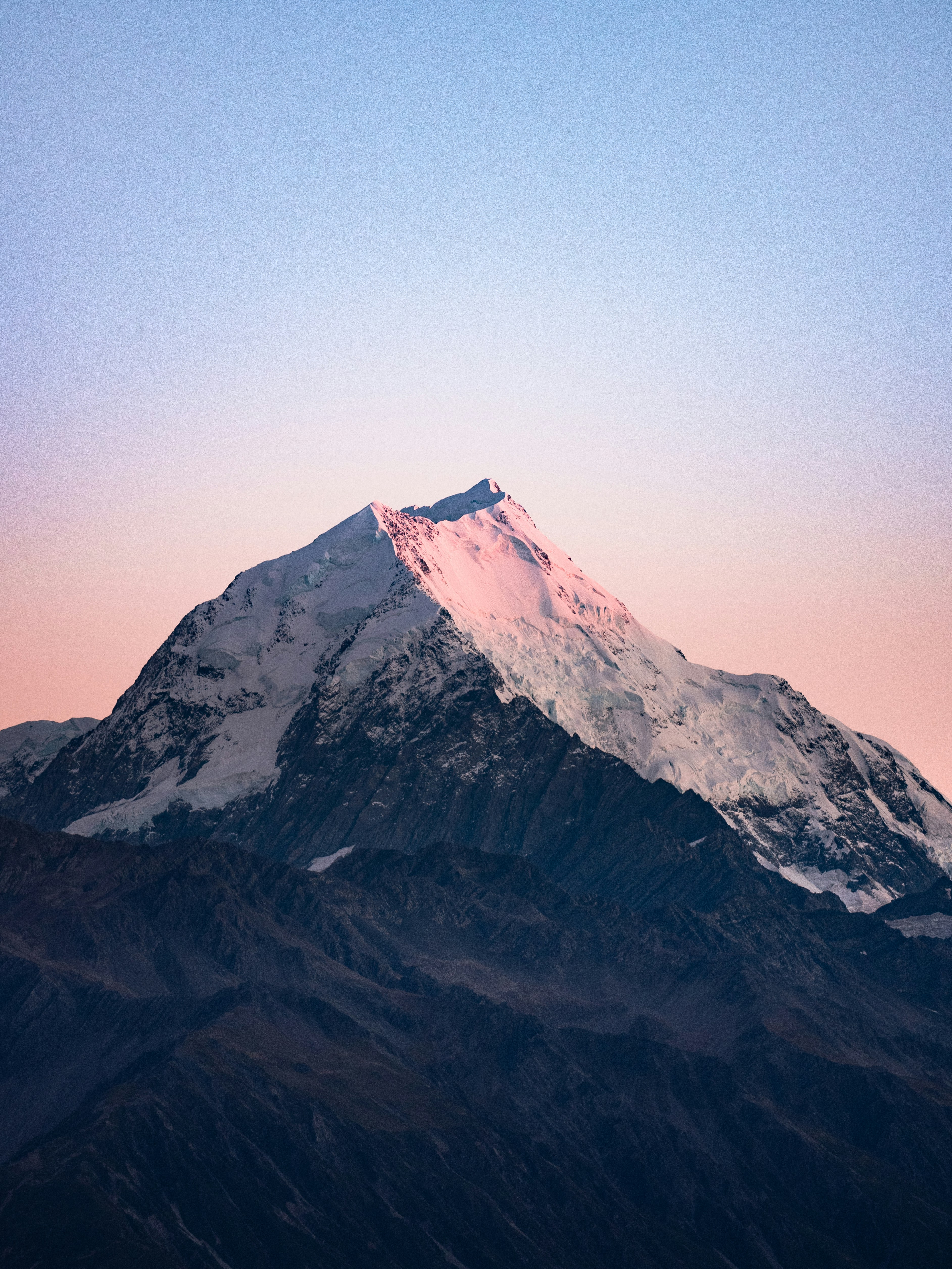
Wake up slowly. This morning deserves it. Buffalo Camp sits high on a ridge above the northern plains and on a clear morning which is more common on the northern side than the southern the sunrise is extraordinary. As light fills the sky from the east, Mawenzi Peak rises in front of you, its jagged rocky towers turning gold in the morning light, with a sea of cloud far below stretching to the horizon and Kenya beyond. This is a view that climbers on the Machame or Lemosho southern routes never see. The dramatic east face of Mawenzi 5,149 metres, Kilimanjaro’s second summit is visible in its full glory from the northern traverse in a way that no southern route can match. Today is a shorter day intentionally so. After the demanding ridge crossing of Day 4 and before the summit push beginning on Day 6, this is a day of relative rest and continued acclimatization. We descend gradually across rolling ridges and dry valleys, crossing the quiet northern terrain before arriving at Third Cave Camp. Third Cave Camp sits at 3,800 metres, 200 metres lower than Buffalo Camp. The descent is deliberate. Your body consolidates the altitude work it has done over the past four days. We arrive early enough to enjoy a relaxed lunch, drink plenty of water, rest through the afternoon, and prepare both mentally and physically for the days ahead. After so many days of constant movement and adaptation, this afternoon of genuine rest is not a luxury. It is part of the acclimatization design. Evening health check, dinner, and overnight at Third Cave Camp.
Today we leave the northern traverse and begin the final approach to the summit. The trail rises from Third Cave and climbs steadily onto the Saddle the vast, barren alpine desert that stretches between Kibo and Mawenzi peaks. This is one of the most unique landscapes on Kilimanjaro. Kibo the main summit cone rises ahead of you, enormous and white, growing larger with every step. Mawenzi’s dramatic rocky towers rise to your right. Between them lies the Saddle wide, windswept, and entirely without vegetation. Walking the Saddle on the approach to Kibo Hut is one of the defining Kilimanjaro experiences. There is nothing subtle about the scale here. You are walking toward the highest point in Africa and the mountain makes absolutely certain you understand that. We arrive at Kibo Hut at approximately 4,700 metres during the afternoon the highest overnight camp on the Northern Circuit route. This is the final camp before the summit. The hut sits directly below the crater wall of Kibo, with the summit route clearly visible above. After arrival we eat, drink, and rest. An early dinner is served. Your guide conducts the final health check of the route. By early evening you should be in your sleeping bag. The midnight alarm sounds in a few hours.
This is the day. Shortly after midnight we wake you. Tea and light snacks are prepared by the crew while you dress in every layer you have brought. Headlamps on. The mountain is dark and completely silent. The stars above 4,700 metres are unlike any stars you have seen from lower ground the altitude and the remoteness of the northern side of this mountain make the night sky here something genuinely extraordinary. By 12:30am we are moving. The ascent from Kibo Hut toward the crater rim follows the steep volcanic scree of the northern approach loose, shifting rock beneath every step, demanding slow and deliberate movement throughout. You plant your pole, move one foot forward, breathe. Then the other foot. The technique is not complicated. The discipline required to maintain it for seven hours in freezing temperatures is immense. Your guide is with you every step. Priscus and the Perfect Kilimanjaro team know this section of the mountain intimately every landmark, every point where the gradient eases briefly, every moment where clients typically feel the altitude most acutely. We watch your pace, your breathing, and your movement continuously. We pass Gilman’s Point at 5,681 metres the first point on the crater rim, usually reached around sunrise. Here, for the first time, you look down into the crater of Kilimanjaro itself. The glaciers that remain on the crater walls catch the first morning light. The Rebmann Glacier. The Furtwängler Glacier. Ancient ice that has stood on this summit for thousands of years, breathtaking in the early morning light. From Gilman’s Point we continue along the crater rim to Stella Point at 5,756 metres and then the final 45-minute walk to Uhuru Peak 5,895 metres above sea level. The Roof of Africa. There is a wooden sign. There are usually tears. There is a photograph you will show people for the rest of your life. You have walked the complete northern arc of this mountain. You have seen Kilimanjaro from angles that most climbers will never experience. You have earned this summit in a way that few people who stand here will understand because you came the long way around, through the quiet north, through the remote traverse, through Buffalo Camp and the extraordinary morning light on Mawenzi. Take your time. Breathe it in. Look at what you have done. After celebrating at the summit we begin the descent continuing along the crater rim back to Stella Point at 5,756 metres, then descending the steep southern scree slope directly down to Barafu Camp for a short rest and lunch. We do not return to Kibo Hut. From Barafu we continue the long descent through the moorland to Mweka Camp at 3,100 metres for the night. The descent is long. Your legs will know it. But the rainforest smells extraordinary after days on the alpine desert, and Mweka Camp lower, warmer, and greener than anything since Day 1 feels like a completely different world. The tipping ceremony takes place at Mweka Camp this evening. The crew gathers, they sing, they celebrate your summit with you. It is one of the most genuinely moving moments of the entire experience a shared acknowledgement of what everyone achieved together.
The final morning. Legs are tired and deeply satisfied. We descend through the rainforest the same ecological zone you entered on Day 1, now seen through completely different eyes. The same Colobus monkeys. The same birds. The same cool, damp air. But you are a person who has stood at 5,895 metres. You are a person who walked the northern traverse. You are a person who watched the sunrise on Mawenzi from Buffalo Camp. Everything looks slightly different from that vantage point. We arrive at Mweka Gate at approximately midday. Your official Kilimanjaro summit certificate is waiting signed, stamped, and entirely earned. We drive back to Moshi for a celebration at the hotel. Hot shower. Cold drink. A meal you did not have to carry up a mountain. A bed that does not require a sleeping bag. A Perfect Kilimanjaro team member will sit with you for a brief debrief your feedback matters to us deeply, and any onward arrangements such as safari, Zanzibar, or airport transfers can be confirmed on this day. Congratulations. You are now among the people who have stood on the highest point on the African continent and among the very few who reached it from the north.
| Group size | Park fees | Other costs | Total per person |
|---|---|---|---|
| 1 | $1,117 | $1,358 | $2,475 |
| 2 | $1,111 | $1,068 | $2,179 |
| 3-4 | $1,108 | $971 | $2,079 |
| 5+ | $1,107 | $872 | $1,979 |
| Crew member | Recommended tip per day |
|---|---|
| Porters | $6 - $10 |
| Cooks & Assistant Guides | $15 - $20 |
| Lead Guide | $20 - $25 |
Tipping is not mandatory but is highly appreciated and depends on your satisfaction with the service.
I have guided climbers on every route on Kilimanjaro for 14 years. I have stood on this summit more than 350 times as part of the Ngatambaku Mtui family a family that has guided on this mountain since the 1970s. And I want to tell you something that I genuinely believe: the Northern Circuit shows you a side of Kilimanjaro that the standard routes simply cannot. The northern slopes are remote in a way that feels real rather than constructed. When you cross those ridges on Day 4 and look north across the plains toward Kenya with no other climbing group in sight that silence, that space, that sense of genuine wilderness is something that Machame and Lemosho climbers will never experience on the same mountain. The summit experience itself is uniquely satisfying. You ascend from the north through Kibo Hut and Gilman’s Point a different approach to the crater rim from any southern route. You summit at Uhuru Peak. Then you descend through Stella Point and down the southern scree to Barafu crossing the entire mountain from north to south in a single extraordinary day. The summit success rate is strong. The acclimatization is excellent. The scenery is extraordinary in ways that are entirely different from the southern routes. If you have already climbed Lemosho or Machame and you want to know this mountain from a completely different angle this is the route I recommend. If you are climbing for the first time and you want both great acclimatization and a genuine wilderness experience this is also a strong choice. The Ngatambaku Mtui family has guided on Kilimanjaro for three generations. We know the northern traverse the way we know the streets of our own village. Come and let us show you this side of the mountain. Priscus Peter Mtui Lead Guide & Owner, Perfect Kilimanjaro The Ngatambaku Mtui Family · Marangu Village · Moshi, Tanzania 14 years guiding · 350+ groups to the summit · 1,000+ groups as a family across three generations
Every itinerary is adjusted to your dates, pace and budget — this page is a starting point, not a fixed package.
Local guides who have worked these parks and routes for years, employed by us rather than subcontracted per trip.
Your vehicle and your group. We never add strangers to fill seats or combine bookings to cut our costs.
Camps and lodges chosen from first-hand stays, not booked blind off a wholesale list.
The same WhatsApp conversation from your first question to the day you fly home — usually answered within the hour.
We'll confirm availability, send an exact per-person quote and a day-by-day plan within one business day. No deposit needed to get a quote.
The signature loop through Tarangire, Ngorongoro Crater and the Serengeti plains, timed to seasonal migration reports.
sasasasasasas
Route: Lemosho — Northern Circuit Duration: 9 Days Difficulty: Moderate to Challenging Summit Success Rate: ~90% Accommodation: Camping Recommended For: Experienced trekkers · Those wanting the full northern wilderness experience · Climbers seeking solitude · Anyone wanting an outstanding acclimatization profile with fewer crowds Start Gate: Londorossi Gate Exit Gate: Mweka Gate