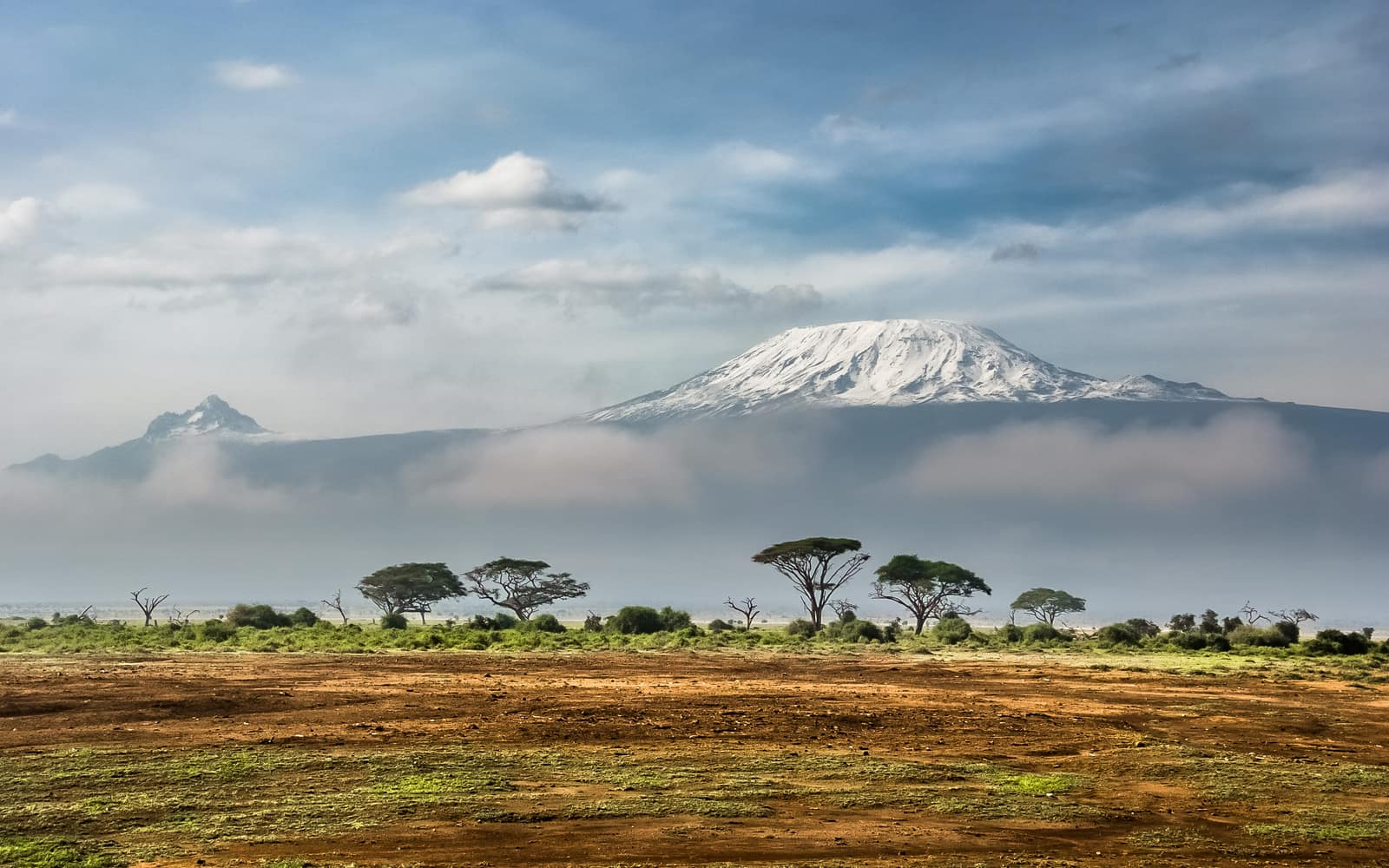
Every year I watch the same thing happen at Barafu Camp.
It is 11:30pm. The temperature is well below zero. Climbers who have been on their feet since early morning are trying to sleep in their tents, but they cannot, because the altitude makes proper sleep almost impossible above 4,500 metres, and because the anxiety of what is coming keeps their minds racing.
At midnight, they force themselves out of their sleeping bags, pull on every layer they own, drink a cup of tea with cold hands, and start walking uphill into the dark.
They are exhausted before they take their first step toward the summit.
I have guided this midnight start hundreds of times. And for years, like every guide on the mountain, I simply accepted that this was how Kilimanjaro was done.
Then I started guiding the Daytime Summit. And everything changed.
What Is the Kilimanjaro Daytime Summit?
The Daytime Summit is a simple but powerful modification to the standard Kilimanjaro itinerary. Instead of beginning your final push to Uhuru Peak at midnight, you sleep a full night, wake at a normal hour, and begin your summit attempt in the morning, climbing in daylight, in warmer temperatures, with a rested body and a clear mind.
It requires just one extra day on the mountain. That is the only difference in logistics. But the difference in experience is extraordinary.
Seven Reasons I Now Recommend the Daytime Summit
1. Your body is genuinely rested before the hardest part
The midnight start means you have already been hiking for 8 to 10 hours that day before you take a single step toward the summit. With the daytime summit, you sleep a full night. You wake naturally. You eat a proper breakfast. You begin the summit with genuine energy in your body.
2. The temperature is manageable, not dangerous
Summit night temperatures on Kilimanjaro regularly fall between -10°C and -20°C, with wind chill making it feel even colder. Climbing from 5:30am means temperatures that are significantly warmer.
3. You actually see where you are going
On a midnight summit, you see what your headlamp illuminates, a small circle of rocky ground immediately in front of your boots. On a daytime summit, you see everything. The landscape. The glacier growing larger above you. The cloud layer below you.
4. The summit is quiet and peaceful
On a traditional midnight summit, the vast majority of all climbers on the mountain arrive at Uhuru Peak within the same two-hour window. The summit sign has a queue. On a daytime summit, you arrive when almost no one else is there.
5. You can watch the sunrise from the mountain
Beginning the ascent at 5:30am, you reach higher ground as the sun rises, watching it from the open mountain with a 360-degree view. It is arguably a better sunrise view than from the summit sign itself.
6. It is safer, especially for climbers with specific needs
For older climbers, for families with younger teenagers, for anyone managing a physical condition or sensitivity to cold, the daytime summit removes the visibility risk entirely and reduces the hypothermia risk significantly.
7. The extra acclimatization day raises your summit success rate
Because the daytime summit adds one day to the itinerary, your body spends an additional 24 hours at altitude before the final push.
Who Is the Daytime Summit Best For?
Older climbers
Families with children or teenagers
Photographers
Couples planning a proposal at the summit
Climbers from warm climates
Anyone with medical considerations or cold sensitivity
Anyone for whom the summit is non-negotiable